
Invisible Injuries: How to Prove Pain and Suffering After a Car Accident
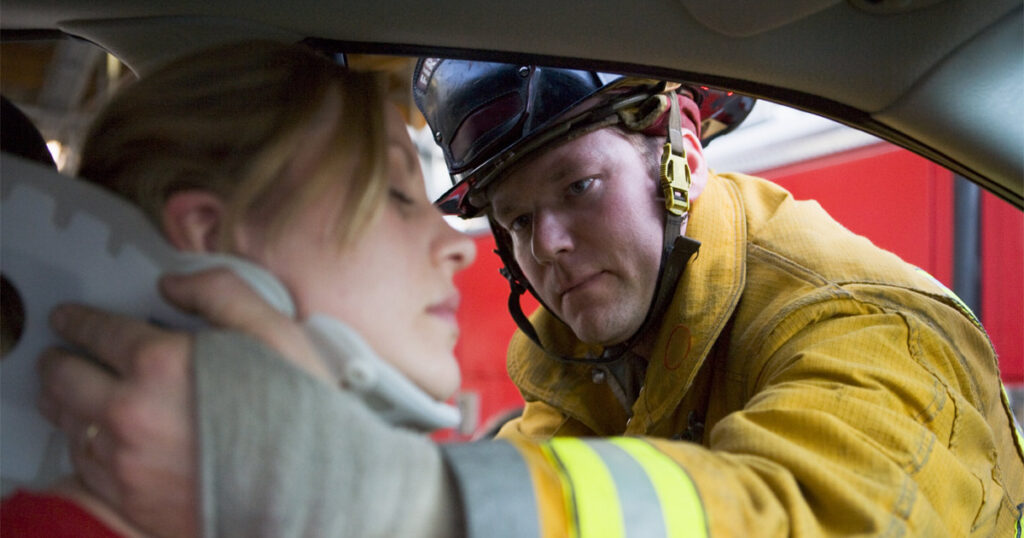
Invisible Injuries: How to Prove Pain and Suffering After a Car Accident
After a car crash, not all injuries are immediately visible. Soft tissue damage, whiplash, emotional trauma, and other invisible injuries can significantly impact your daily life, but insurance companies often challenge or undervalue these claims.
To recover compensation, you must take specific steps to prove pain and suffering after a crash, especially when your injuries aren’t outwardly apparent.
Why Pain and Suffering Damages Matter in a Car Crash Claim
Pain and suffering are considered non-economic damages, meaning they compensate for intangible losses, such as:
- Physical discomfort
- Mental anguish
- Loss of enjoyment of life
- Sleep disturbances or emotional instability
- Long-term trauma related to the crash
Insurance companies may try to dismiss or minimize these damages to protect their bottom line. However, if another driver was at fault, you have the right to pursue compensation for both economic and non-economic losses.
How to Prove Pain and Suffering After a Car Crash
To recover compensation, you must prove the existence and impact of your injuries, including invisible ones. Here are effective ways to build a strong claim:
1. Seek Immediate and Ongoing Medical Treatment
Prompt medical care creates a paper trail that links your injuries to the crash. Continued treatment and follow-up appointments help establish the seriousness and duration of your condition.
2. Keep a Journal
Document your symptoms daily. Record how the injury affects your sleep, work, relationships, and quality of life. This first-person account can be powerful evidence in both insurance negotiations and court.
3. Expert Testimony
Your car crash lawyer may work with medical specialists, mental health professionals, or vocational experts who can provide opinions about your condition and its effects.
4. Witness Statements
Friends, family members, or coworkers can describe noticeable changes in your mood, physical ability, or overall well-being after the crash.
Can the Insurance Company Decide the Value of Pain and Suffering?
No. Insurance companies often apply a basic formula—multiplying your medical bills by a number (often between 1.5 and 5)—to estimate pain and suffering. However, this method doesn’t reflect the true impact of your injuries.
You are not required to accept a low offer. If negotiations fail, your lawyer can take the case to court, where a jury may award more appropriate compensation based on the evidence.
What Happens if the Insurance Company Will Not Settle?
If the insurer refuses to make a fair offer, your lawyer can file a lawsuit and move forward with litigation. During this process, your own testimony and that of medical or psychological experts can demonstrate how the injury has changed your life.
Insurance companies often fear jury trials because jurors are more likely to empathize with the injured person and award substantial damages. Simply showing a willingness to litigate can increase your negotiating power.
Why You Should Hire a Car Accident Lawyer in Santa Fe
Navigating a car crash claim is challenging, especially when dealing with invisible injuries and uncooperative insurance adjusters. A skilled lawyer can:
- Help you gather medical records and documentation.
- Connect you with appropriate medical and psychological experts.
- Calculate the full value of your damages.
- Negotiate aggressively with the insurance company.
- Represent you in court if needed.
Contact a Santa Fe Car Accident Lawyer at Buchanan Law Firm, LLC
If you’ve been injured in a crash—whether the damage is visible or not—contact a Santa Fe car accident lawyer at Buchanan Law Firm, LLC today. Call us at 505-900-3559 or fill out our online contact form to schedule your free consultation. Our office is located in Albuquerque, and we proudly serve clients across Santa Fe and the surrounding areas.