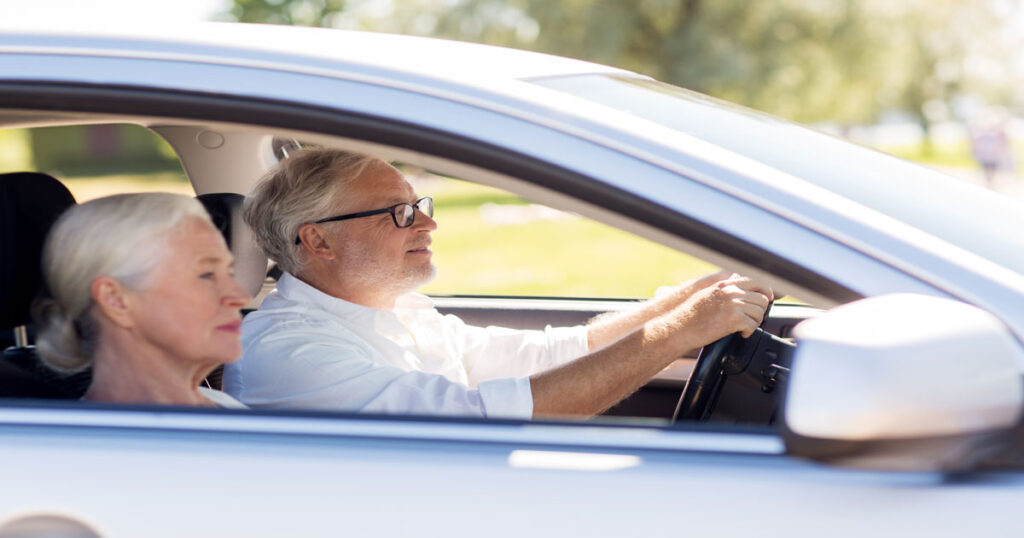
Driving can mean independence for many seniors, but as people age, changes in vision, reflexes, and cognitive abilities can make operating a vehicle more challenging. While many older drivers remain safe on the road for years, statistics show that the risk of being involved in a crash increases with age. Understanding why accidents happen with elderly drivers and what can be done to prevent them can help families make safer choices and protect everyone on the road.
Older drivers often have decades of experience behind the wheel, but age-related physical and mental changes can affect their driving ability. Diminished vision can make it harder to see road signs or other vehicles, especially at night or in bad weather. Slower reflexes may make it difficult to react quickly to sudden changes in traffic, such as a car stopping abruptly or a pedestrian crossing the street. Health conditions common in older adults, including arthritis, dementia, or the side effects of certain medications, can further increase crash risks. Although many seniors adjust by driving less frequently or avoiding highways and night driving, accidents can still occur when these adjustments are not enough.
What Are Common Causes of Accidents Involving Elderly Drivers?
The causes of crashes involving elderly drivers often overlap with the physical changes that come with aging. Failure to yield the right of way is a common factor, as judging the speed and distance of oncoming cars can be more difficult. Left-hand turns at intersections can be especially dangerous for older drivers. Another frequent cause is drifting into another lane, which can happen due to confusion or a reduced attention span. Some elderly drivers struggle with maintaining appropriate speeds, either driving too slowly and becoming a hazard to faster traffic or failing to notice when they are driving over the limit. Medical emergencies, such as a stroke or heart attack behind the wheel, can also lead to severe crashes.
How Can Families Help Keep Elderly Drivers Safe?
Many families face difficult conversations about when it might be time for an aging loved one to give up the keys. Open communication is key, and it helps to focus on safety rather than taking away independence. Regular medical check-ups, vision and hearing tests, and medication reviews can identify issues that affect driving ability. Some seniors benefit from refresher driving courses designed for older adults, which can improve confidence and update them on new traffic laws. Installing larger mirrors or using vehicles with advanced safety features like lane departure warnings can also help. In some cases, limiting driving to familiar routes during daylight hours and good weather is a practical step toward safer driving.
When Should an Elderly Person Stop Driving?
Deciding when an older driver should stop driving is rarely easy. There is no specific age when someone is automatically unfit to drive. Instead, families and healthcare providers should watch for warning signs that driving may no longer be safe. These include frequent close calls, unexplained dents or scrapes on the car, getting lost on familiar routes, and confusion about traffic signals. If an older driver forgets basic rules of the road or struggles to process multiple things at once while driving, it may be time to consider alternatives. Some states require more frequent license renewals for seniors, and in some cases, a doctor may be required to report a driver who is medically unfit.
What Happens After an Accident with an Elderly Driver?
After an accident involving an older driver, questions often arise about fault, insurance claims, and potential injuries. Older drivers are more likely to be seriously injured or killed in a crash due to increased frailty. If a senior is found at fault, they may face higher insurance premiums or even license restrictions. In other cases, an elderly driver may be the victim of negligence by another driver. If a crash occurs, it is essential to gather evidence, seek medical care immediately, and speak with an attorney if needed to understand the best steps for recovery and protecting legal rights.
Why Is Legal Guidance Important After a Crash?
Car accidents involving elderly drivers can be complicated, especially when questions about medical conditions or cognitive ability arise. Families may worry about how to navigate the insurance claims process, medical bills, and any long-term impacts. Legal support can help injured drivers or their families protect their interests and ensure they are treated fairly throughout the process.
Albuquerque Car Crash Lawyers at Buchanan Law Firm, LLC Advocate for Drivers Injured in Elderly Driver Car Accidents
Staying safe on the road as we age is a balance of self-awareness, regular health monitoring, and making smart adjustments when needed. If you or a loved one has been involved in a crash, the Albuquerque car crash lawyers at Buchanan Law Firm, LLC can help you understand your options and guide you through what comes next. Call us today at 505-900-3559 or fill out the online form for a free consultation. Located in Albuquerque, New Mexico, we proudly serve clients in Santa Fe and the surrounding areas.
Call us today to schedule a free consultation with my team. We fight for our clients throughout New Mexico from our Albuquerque office.